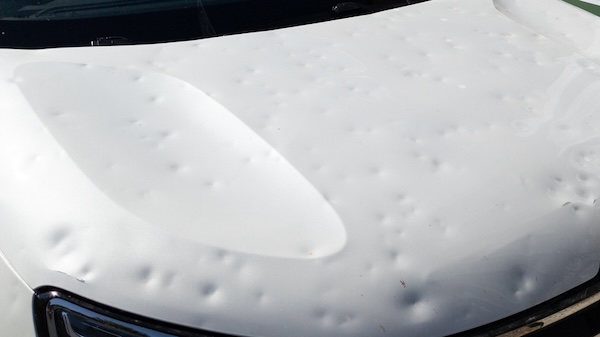
Hail storms can hit fast and leave your vehicle covered in dents, dings, and frustration. If you’ve recently experienced hail damage, you’re probably wondering what to do next—and how to avoid costly mistakes.
Knowing the right steps after hail damage to your car can save you time, money, and stress. From filing an insurance claim to choosing the right repair method, acting quickly makes all the difference in getting your vehicle back to its original condition.
After a storm, take a close look at your vehicle. Hail damage isn’t always obvious at first glance, especially in low lighting.
Check for:
Even small dents can lead to bigger issues if ignored. Identifying hail damage early helps ensure a smoother repair process.
Before getting repairs, it’s important to document everything.
Take clear photos of:
This documentation will be essential when filing your hail damage insurance claim. The more detailed you are, the easier it is to get accurate coverage.
Most comprehensive auto insurance policies cover hail damage repair. Filing your claim as soon as possible helps avoid delays.
When filing:
Many drivers don’t realize that professional repair shops can work directly with your insurance company, making the process much easier.
Not all repairs are the same. The best option for most vehicles is paintless dent repair (PDR).
Choosing the right repair method is key to maintaining your vehicle’s value after hail damage.
Waiting too long to fix hail damage can lead to bigger problems.
Here’s why timing matters:
Acting quickly ensures your vehicle is repaired properly and helps you avoid additional costs down the line.
One of the biggest frustrations after hail damage is dealing with insurance, rentals, and repairs all at once.
That’s why choosing the right repair provider matters.
A professional hail damage repair company can:
This kind of full-service approach takes the stress off your plate and ensures a smooth experience from start to finish.
Not all repair shops deliver the same results. High-quality hail damage repair should leave your vehicle looking like nothing ever happened.
The right team will focus on:
For many drivers, the difference comes down to choosing a company that prioritizes both results and customer experience.

If your vehicle has been affected by a recent storm, now is the time to take action. Schedule your hail damage inspection and get the repair process started with a team that handles everything from start to finish.


