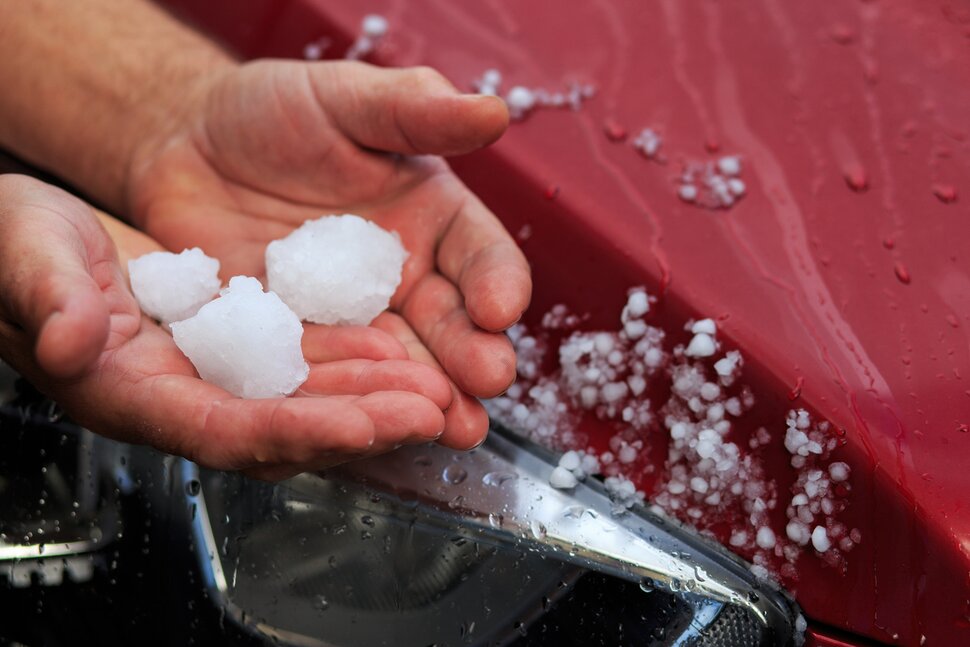
After a severe hailstorm, many drivers are shocked by how extensive the damage looks. It’s common to wonder:
“Can hail damage total my car?”
The answer is yes — hail damage can total a vehicle, even if it still runs perfectly. Insurance companies base total loss decisions on repair cost vs. vehicle value, not drivability.
Insurance companies compare two numbers:
If repair costs reach a certain percentage of the vehicle’s value, the insurance company may declare it a total loss. That threshold varies by insurer and state guidelines.
Severe hail damage affecting multiple panels can add up quickly, even when paintless dent repair is used.
If your vehicle is totaled due to hail damage, you typically have two options:
1. Accept the Total Loss Settlement
Insurance pays you the vehicle’s ACV, minus any deductible, and takes ownership of the car.
2. Keep the Vehicle (Owner Retained Salvage)
You keep the car and receive a reduced payout. The vehicle may receive a salvage or rebuilt title, depending on state regulations.
Each option has long-term implications for resale, financing, and insurance.
If hail damage existed before the claim — even from a previous storm — insurance will deduct that damage from your payout.
This is why fixing hail damage early is so important. Leaving dents unrepaired can significantly reduce your settlement if the vehicle is later totaled for any reason.
In many cases, yes.
Even if a vehicle is declared a total loss, hail damage can often still be repaired using paintless dent repair. Some owners choose to keep the vehicle, repair the damage, and continue driving it.
However, it’s important to understand how salvage branding, resale value, and future insurance coverage may be affected.
The best way to avoid a hail-related total loss is early inspection and repair.
Taking action quickly:
Waiting can limit your options and reduce your financial outcome.

Hail damage can total a vehicle, but understanding how insurance evaluates damage gives you more control over your situation. Whether your vehicle is lightly dented or heavily damaged, an inspection helps clarify your options before decisions are made for you.
If your car was affected by hail, addressing the damage early ensures the best possible outcome.


