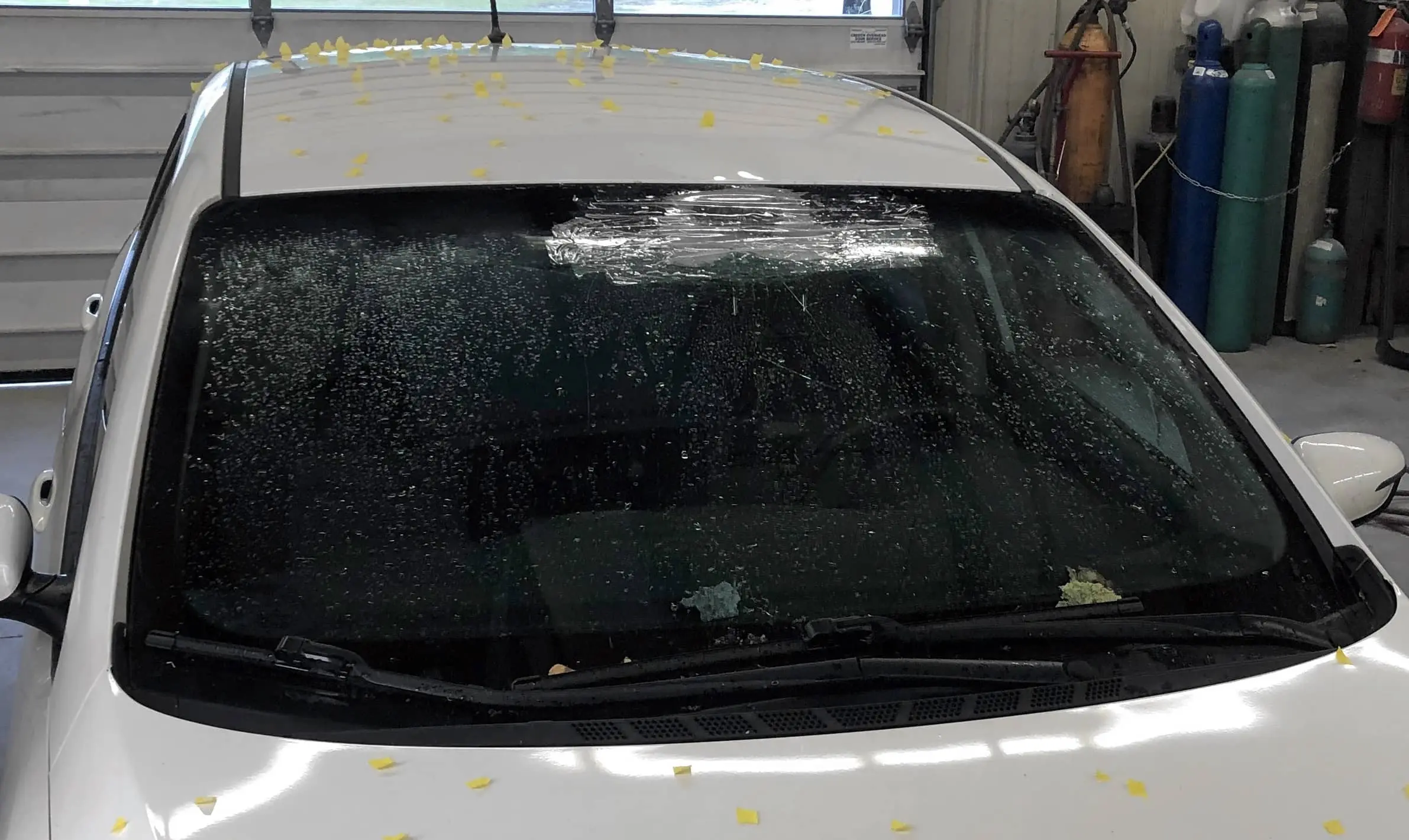
After noticing hail damage, many vehicle owners hesitate before contacting insurance. A common search that follows is:
“Is hail damage worth claiming on insurance?”
The answer depends on how hail claims work — and in most cases, filing a claim is not only worth it, but financially smart.
Hail damage is covered under comprehensive insurance, which applies to weather-related events outside of your control. These claims are considered no-fault, meaning they are handled differently than accident or collision claims.
Because hail damage claims are no-fault, they are designed to restore your vehicle without penalizing you as a driver.
In most situations, filing a hail damage claim is worth it when:
Even light hail damage often costs more to repair than drivers expect — and insurance typically covers it.
Some drivers avoid filing hail claims due to common misconceptions, such as:
In reality, comprehensive hail claims do not raise rates in Texas, and many repairs can be completed with little or no out-of-pocket cost.
Skipping a hail damage claim can lead to greater losses later.
Unclaimed hail damage can:
Once time limits pass, insurance may no longer cover the damage.
Scheduling a professional hail inspection helps determine whether filing a claim is worth it. Inspections often uncover more damage than is visible and ensure accurate documentation for insurance approval.
Early action also helps secure faster repairs during peak hail seasons.

In most cases, hail damage is absolutely worth claiming. Comprehensive insurance exists specifically to protect drivers from storm-related damage, and delaying action often costs more than filing a claim.
If your vehicle was damaged by hail, an inspection can help you decide the smartest next step before repair opportunities are lost.


