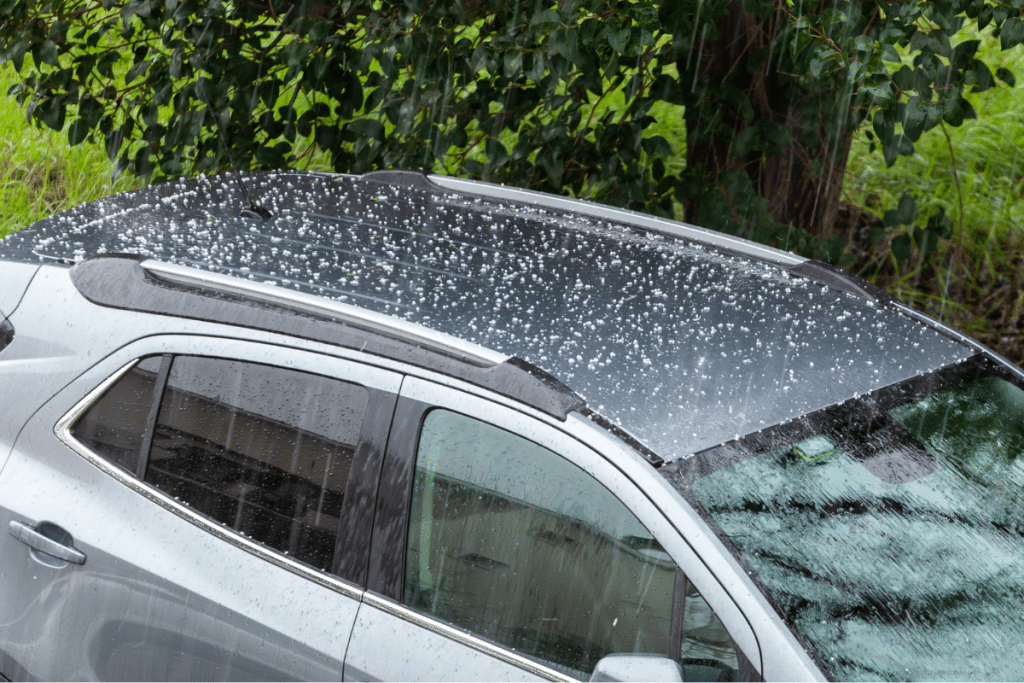
After hail damage, most drivers want one thing: their vehicle back as quickly as possible. Whether it’s your daily commute, family vehicle, or work truck, downtime creates stress — which is why one of the most common searches after a storm is:
“How long does hail damage repair take?”
The answer depends on the severity of damage, the repair method used, and how efficiently the insurance process is handled.
For most vehicles, hail damage repair follows a clear process. When handled by an experienced hail repair team, the timeline is often faster than expected.
1. Inspection & Claim Setup (1–2 Days)
A professional inspection documents all hail damage using photos and measurements. This information is submitted to insurance to establish the repair scope.
2. Insurance Approval (1–3 Days)
Once the claim is reviewed, insurance issues approval for repairs. Providers familiar with hail claims can often speed this process up significantly.
3. Paintless Dent Repair (5–10 Days on Average)
Most hail damage is repaired using Paintless Dent Repair (PDR). Because PDR does not require sanding, repainting, or panel replacement, it drastically reduces repair time.
4. Final Quality Check & Delivery (1 Day)
After repairs are complete, the vehicle undergoes final inspection to ensure factory-level results before being returned.
Total average time: 7–14 days for most hail-damaged vehicles.
Some factors may extend the hail damage repair timeline:
Working with a hail repair company that manages claims directly helps minimize delays and keeps the process moving.
Paintless dent repair is the industry-standard method for hail damage because it is efficient and non-invasive.
PDR allows technicians to:
Vehicles repaired with PDR often return to owners days or even weeks faster than traditional body shop repairs.
Another common concern is transportation. Many hail repair providers offer solutions to keep drivers mobile during the repair process.
Options often include:
This means your schedule doesn’t have to stop just because your car is being repaired.
The best time to schedule hail damage repair is as soon as possible after the storm. Waiting too long can result in:
Early inspections help lock in your repair spot and protect your vehicle’s value.

Hail damage repair is usually faster than most drivers expect — especially when paintless dent repair is used and insurance is handled efficiently. Understanding the timeline helps set expectations and eliminates unnecessary stress.
If your vehicle has been affected by hail, scheduling an inspection early ensures quicker repairs and a smoother overall experience.


