If you plan to trade in or sell your vehicle, hail damage can have a major impact on what it’s worth. One of the most common questions drivers search is:
“Does hail damage reduce trade-in value?”
The short answer is yes — even minor hail damage can significantly lower a vehicle’s appraisal.
When a dealership appraises a vehicle, they look beyond mileage and condition. Visible hail damage immediately lowers value because the dealer must account for repair costs and resale risk.
Dealers often:
Even small dents across multiple panels can result in thousands of dollars in reduced value.
Many drivers assume that light hail damage won’t matter much. In reality, minor dents add up quickly during appraisal.
Reasons dealers reduce value:
What may look like “cosmetic” damage can still heavily affect pricing.
If hail damage is repaired before trading in, insurance typically covers the repair under comprehensive coverage. This allows the vehicle to be restored to pre-storm condition without lowering its value.
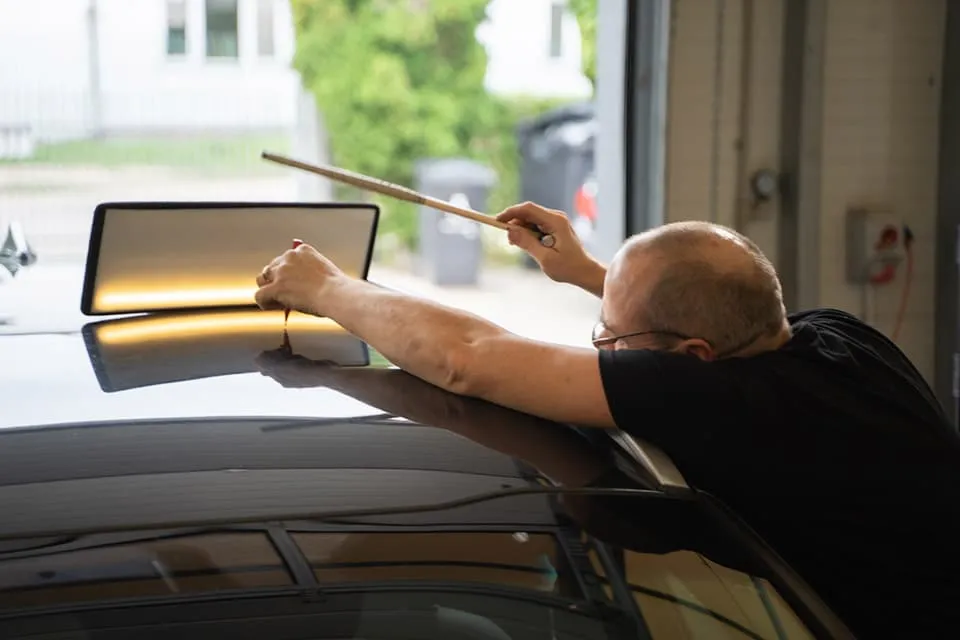
Vehicles that are repaired using paintless dent repair maintain factory paint and do not show signs of body work — a key factor during appraisal.
When hail damage goes unrepaired:
In many cases, drivers lose far more in trade-in value than the cost of repairing the hail damage.
To protect your trade-in value:
These steps help ensure your vehicle is evaluated at full market value.

Hail damage doesn’t just affect how your car looks — it directly impacts what it’s worth. Repairing hail damage before trading in your vehicle is one of the easiest ways to protect your investment and avoid unnecessary financial loss.
If your vehicle has hail damage and you’re considering selling or trading it in, addressing the damage early can make a significant difference.


