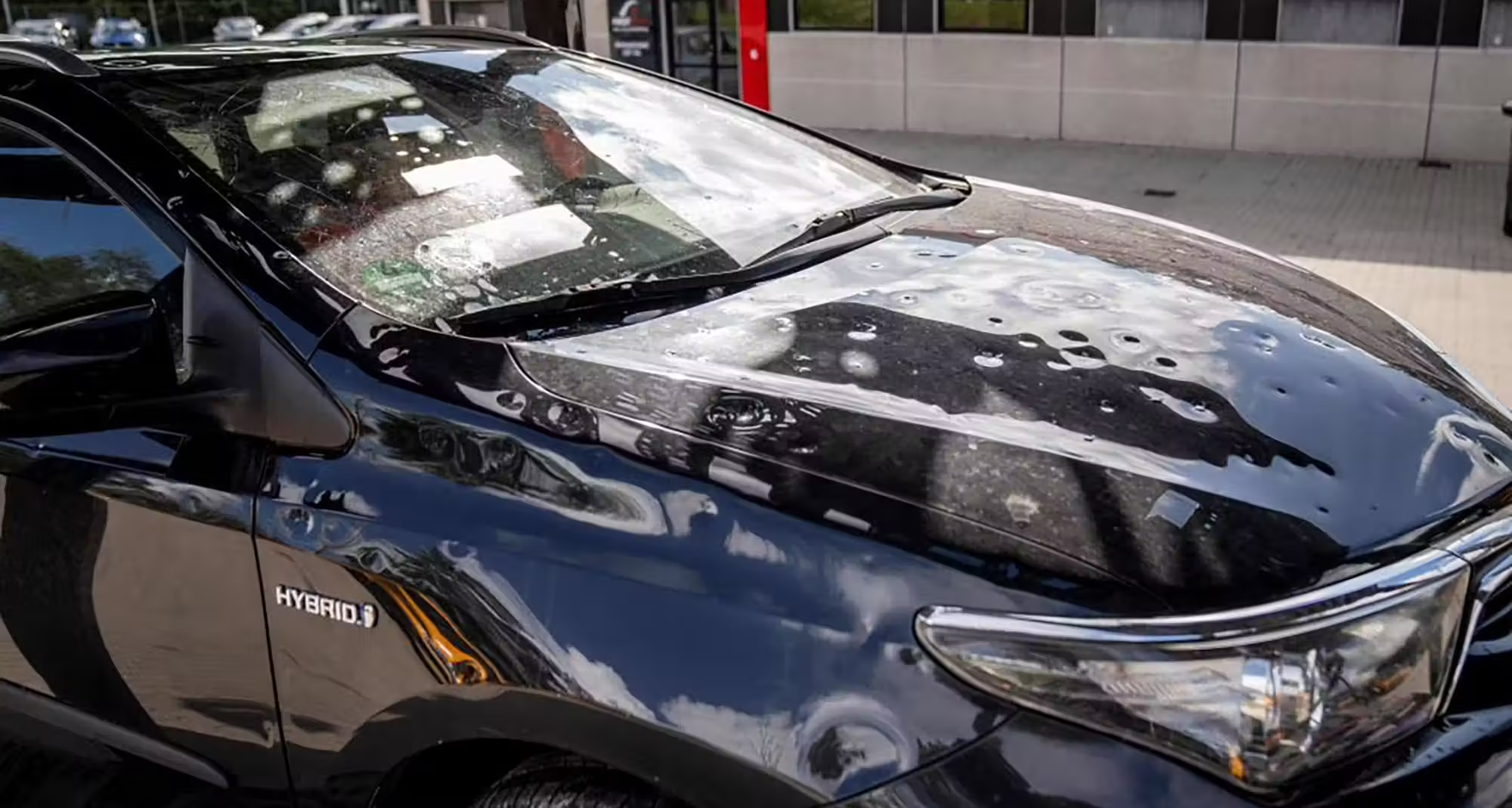
After a hailstorm, most drivers ask the same question before scheduling repairs:
“Will fixing hail damage raise my insurance rates?”
It’s a valid concern — no one wants higher premiums for something they couldn’t control. The good news is that hail damage repair does not work the same way as accident claims, especially in Texas.
Understanding how insurance handles hail damage can help you protect your vehicle without worrying about long-term costs.
Hail damage falls under comprehensive insurance coverage, not collision coverage. Comprehensive claims cover events that are outside of the driver’s control, including:
Because hail is classified as an Act of Nature, it is considered a no-fault claim. That distinction is critical.
In Texas, insurance companies cannot legally raise your rates solely because you filed a comprehensive hail damage claim. You are not being penalized for weather-related damage.
Insurance premiums are based on risk, not individual hail repairs. After major storms, insurance companies may adjust rates based on:
This means your rates may increase in the future regardless of whether you file a hail claim or not. Choosing not to repair hail damage does not protect you from market-wide rate adjustments.
Many drivers skip hail damage repair to “avoid a claim,” but this often leads to greater financial loss later.
Unrepaired hail damage can:
If your vehicle is later involved in an accident or totaled, insurance companies will subtract existing hail damage from your payout — even if the damage was never claimed.
Another common concern is the deductible. In many cases, hail damage repair can be completed with no out-of-pocket cost.
Because hail claims are comprehensive and insurance-funded, repair facilities can often cover the deductible without changing the approved estimate or impacting your claim. This process follows insurance guidelines and is widely accepted in the auto hail repair industry.
When done correctly, you can restore your vehicle’s value without paying for the repair yourself.
If your vehicle was affected by hail, the best time to act is as soon as possible. Prompt inspections help document damage accurately and prevent delays with insurance approvals.
Waiting too long can result in missed repair opportunities, denied supplements, or reduced payouts if the damage worsens over time.

Hail damage repair does not raise your insurance rates in Texas, and avoiding repairs can cost you far more in the long run. Comprehensive hail claims exist to protect you from exactly this kind of situation.
If your vehicle has hail damage, scheduling an inspection early ensures your claim is handled correctly, your vehicle is restored properly, and your value is protected.


